Navigating the Impact of Daily Drinks: How New Technology is Helping Buffer Cognitive Health
Recent breakthroughs in neuroscience reveal that memory loss isn't just about aging—it's about neuroinflammation caused by what's in our glasses. Here's how to measure and protect your cognitive future.

For millions of adults crossing the threshold of 40, 50, and beyond, the occasional memory lapse—forgetting a name, misplacing keys, or experiencing afternoon "brain fog"—is often brushed off as a normal, unavoidable part of aging.
But what if the real culprit isn't just the passage of time? What if the cognitive decline we fear is actually being accelerated by the liquids we consume every single day?
Over the past decade, a quiet revolution has occurred in neuroscience. The focus has shifted away from purely genetic destiny and toward lifestyle factors, specifically highlighting how chronic neuroinflammation silently damages the brain's delicate architecture over decades. And surprisingly, researchers are pointing fingers at the beverages sitting in our refrigerators right now.
The Shrinking Hippocampus: Why Liquids Matter
To understand why drinks are so dangerous, we have to look at how the body processes them. "We often think about food when we talk about diet and health," explains Dr. Aris Thomas, a leading cognitive researcher. "But liquids are deceptive. They bypass the mechanical digestive breakdown process and hit our bloodstream—and our blood-brain barrier—much faster and with much higher intensity."
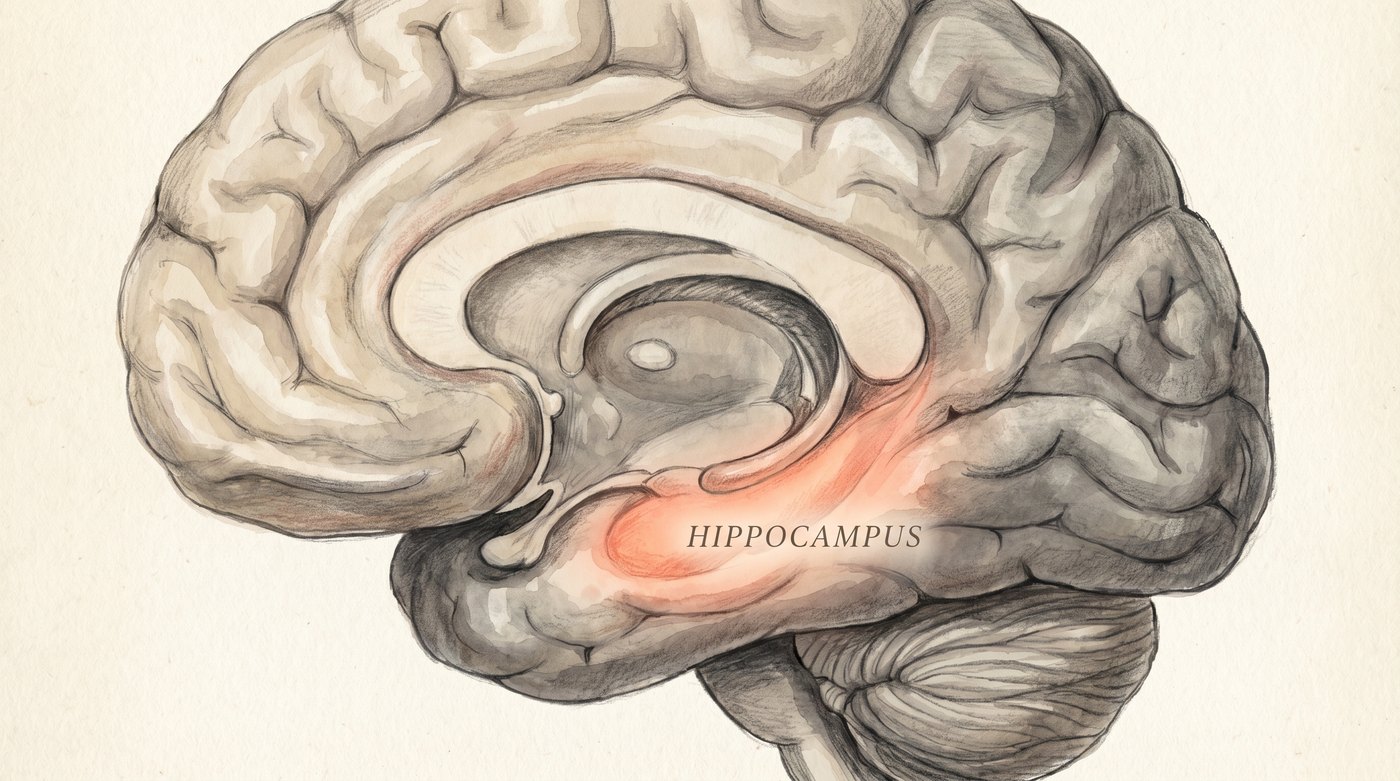
When inflammatory compounds cross into the brain, they trigger an immune response. Microglia, the brain's immune cells, become chronically activated. Instead of protecting neurons, they begin to damage them, specifically targeting the hippocampus—the region responsible for forming and retrieving memories.
The 3 Villains in Your Glass
According to recent longitudinal studies, three specific types of beverages are the primary offenders in accelerating this neuroinflammatory process:
1. Sugary Beverages (The Neuro-Inflammator)
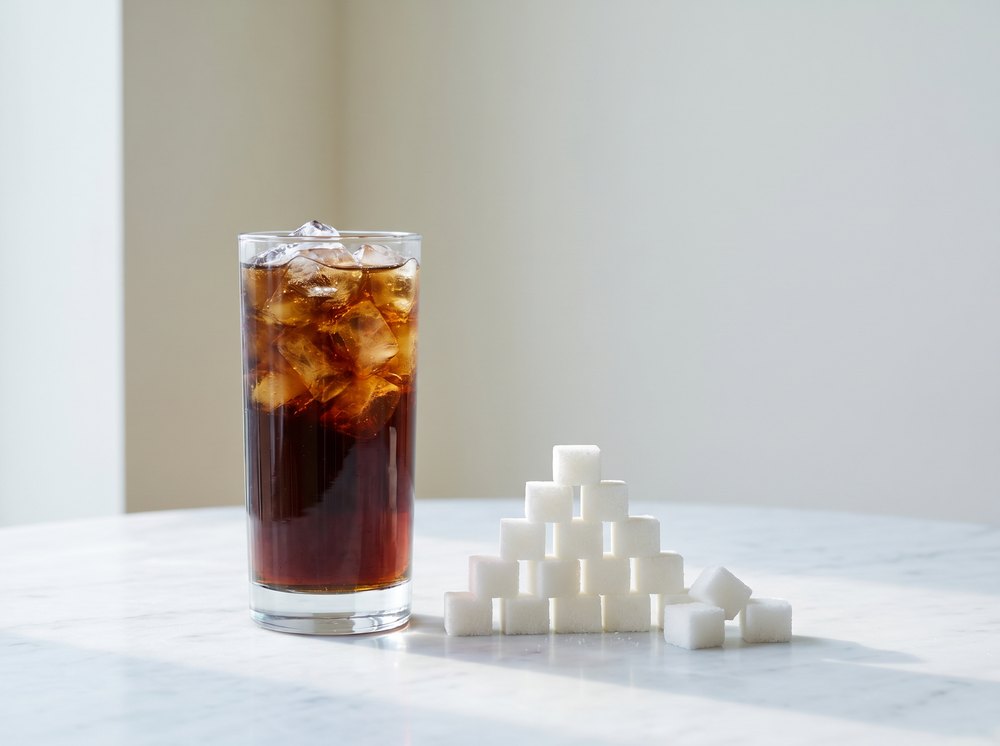
Consistent consumption of high-sugar drinks like sodas, sweetened iced teas, and even store-bought fruit juices causes rapid, violent spikes in blood glucose. Over time, this leads to insulin resistance within the brain itself—a condition so severe that many scientists now refer to Alzheimer's disease as "Type 3 Diabetes." This state triggers massive neuroinflammation, directly impairing memory recall and executive focus.
2. Diet Sodas & Artificial Sweeteners (The False Promise)
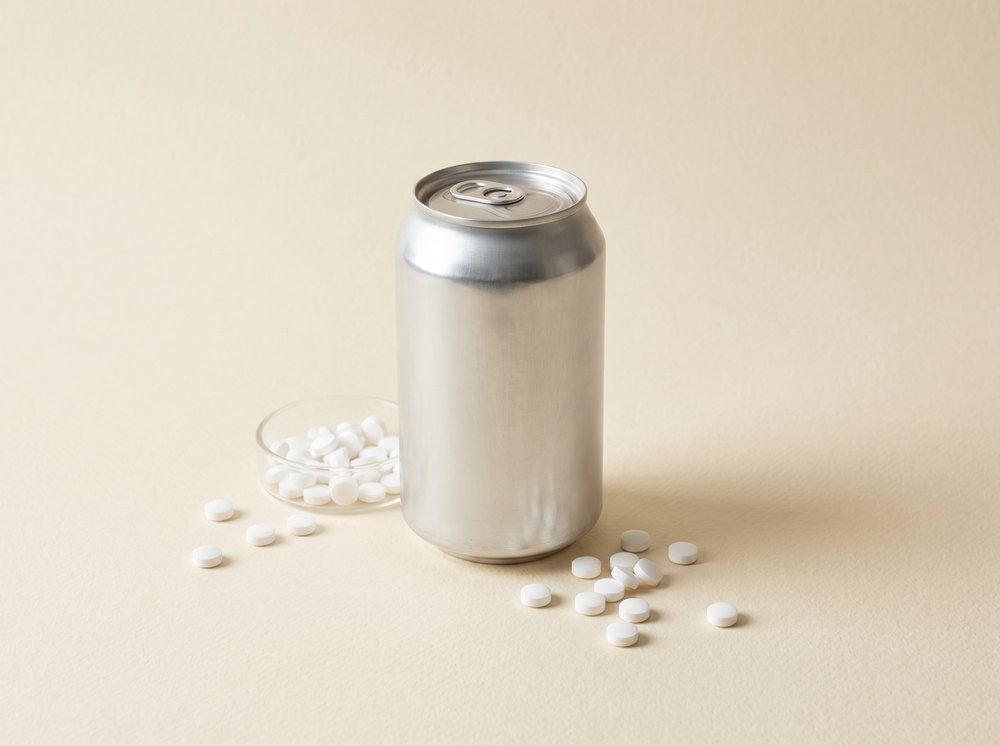
Switching to "Zero Calorie" options might save your waistline, but it may cost your cognition. Studies on artificial sweeteners like Aspartame and Sucralose suggest they severely alter the gut microbiome. Because the gut and brain are intimately connected via the vagus nerve, this microbiome disruption sends stress signals to the brain. Recent research links high consumption of artificially sweetened beverages to an increased risk of cognitive stress, vascular issues, and accelerated dementia risk.
3. Excessive Alcohol (The Hippocampus Shrinker)
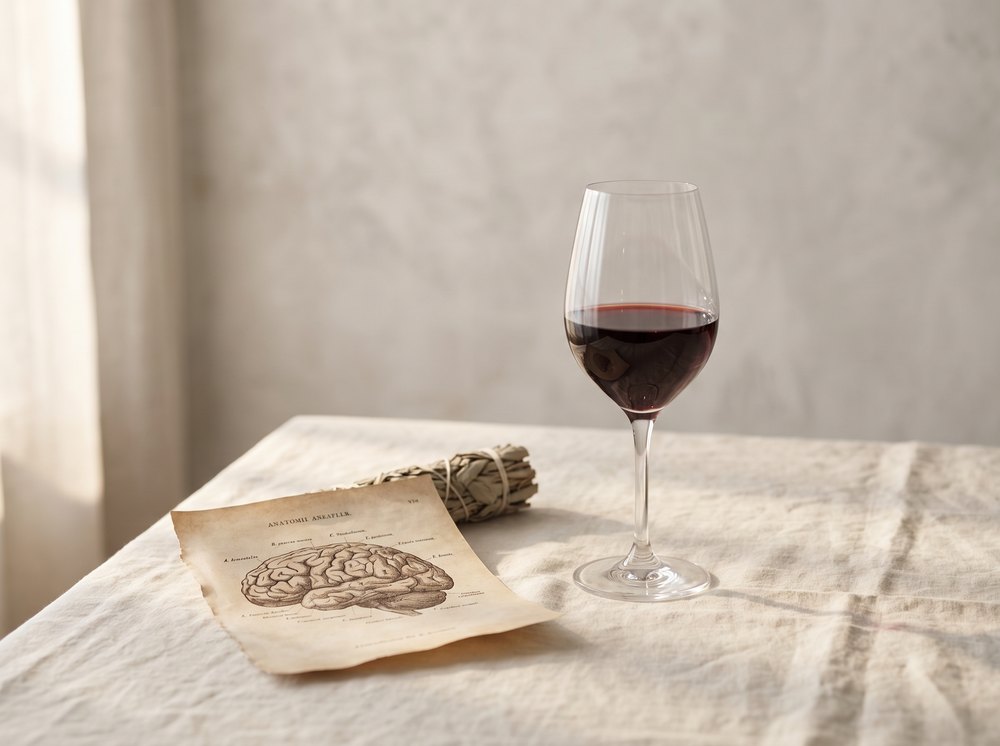
While a single glass of red wine is often touted for its resveratrol content, chronic or excessive alcohol consumption has a documented, undeniable toxic effect on the central nervous system. Alcohol specifically targets the hippocampus, leading to physical volume loss (brain shrinkage) and permanently disrupting the formation of new neural pathways required for learning.
The Homemade Memory Vitamin: The Cognitive Shield Smoothie
Fortunately, the brain exhibits remarkable neuroplasticity—it is incredibly resilient and capable of healing if given the right environment. By swapping inflammatory drinks for nutrient-dense alternatives, you can provide your brain with the raw materials it needs to repair neural pathways.
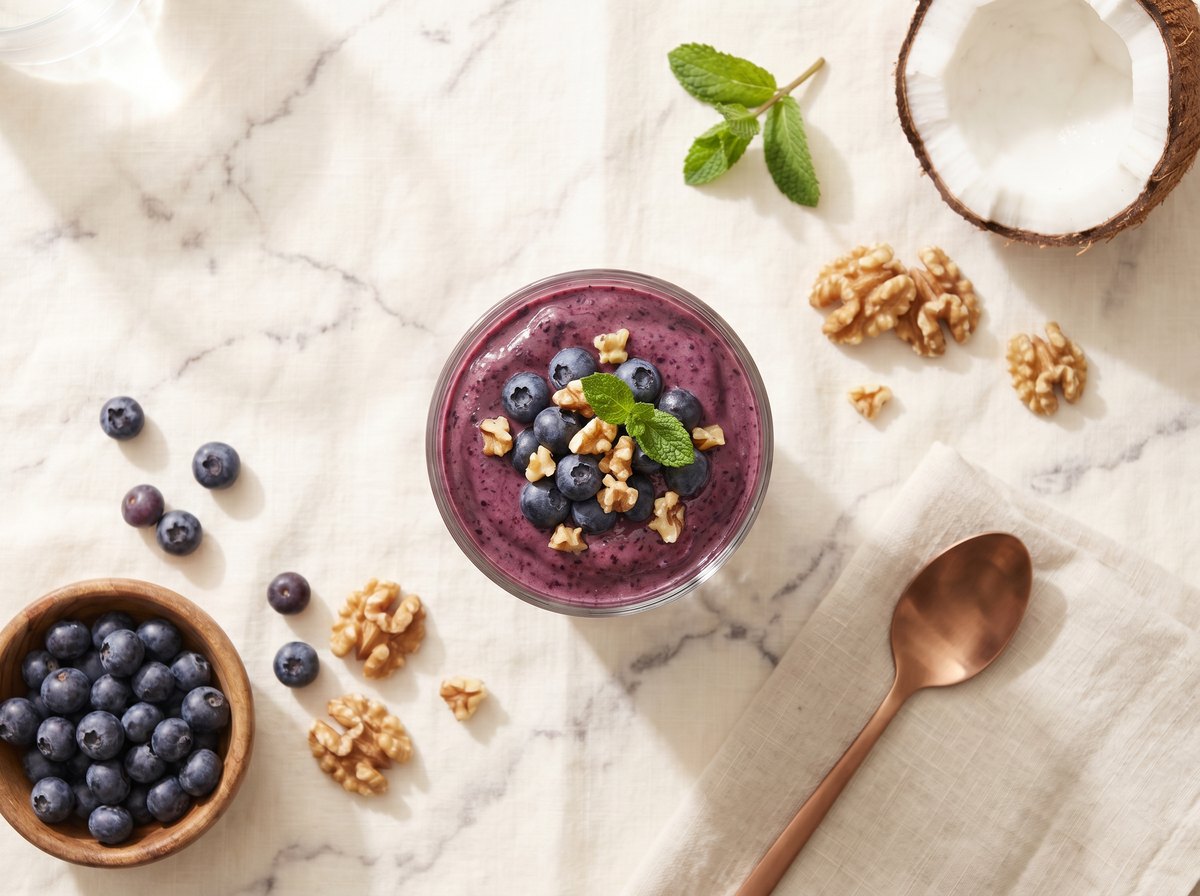
Clinical nutritionists recommend a daily blend designed specifically to deliver antioxidants directly across the blood-brain barrier:
- Wild Blueberries: Packed with anthocyanins, powerful antioxidants proven to neutralize free radicals in brain tissue.
- Raw Walnuts: Rich in DHA, a type of Omega-3 fatty acid crucial for maintaining the structural integrity of brain cell membranes.
- Coconut Water: Provides essential electrolytes (potassium and magnesium) for optimal neural electrical conductivity, without the sugar crash.
Recipe: Simply blend 1 cup of frozen wild blueberries, a small handful of walnuts, and 1.5 cups of pure coconut water. Consume mid-morning.
The Pivot: You Can't Manage What You Don't Measure
Fixing your liquid diet is a massive, necessary step forward. But nutrition is only half the battle.
Stress, poor sleep, and a lack of mental recovery time can negate even the healthiest diet. Chronic stress releases cortisol, which is just as toxic to the hippocampus as sugar. The problem? You can step on a scale to measure weight loss, and you can take a blood test to check cholesterol, but how do you measure the health, stress level, and calmness of your brain?

For decades, accessing real-time data about your brainwaves required visiting a hospital, applying sticky gel to your scalp, and using expensive, clinical EEG (electroencephalogram) machines. It was completely inaccessible to the average person.
Today, a massive leap in wearable technology has bridged that gap. It is now possible to monitor, measure, and actively train your cognitive state from the comfort of your living room.
Enter MUSE 2: The Brain Sensing Headband
The clinical-grade tool that makes cognitive resilience a measurable science.
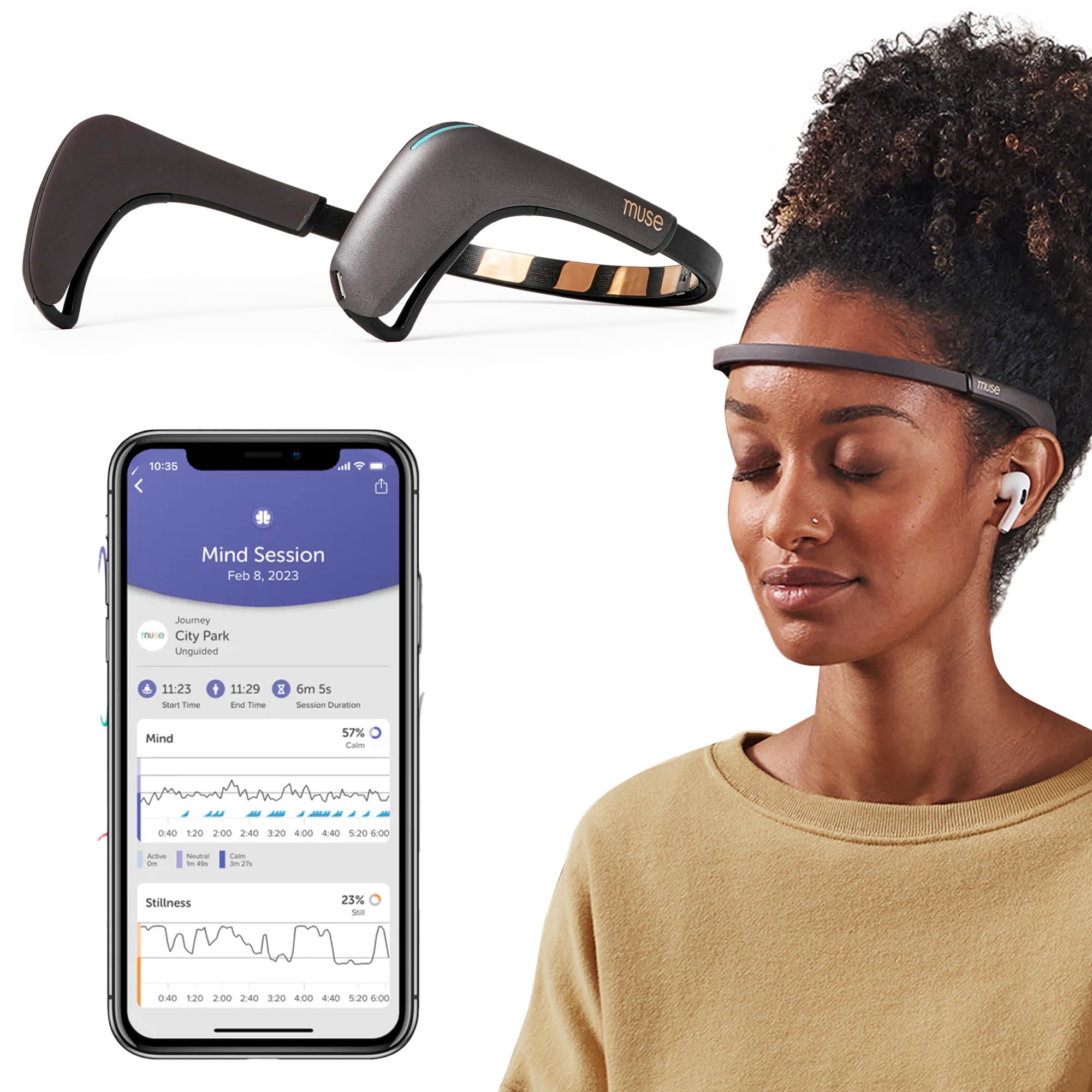
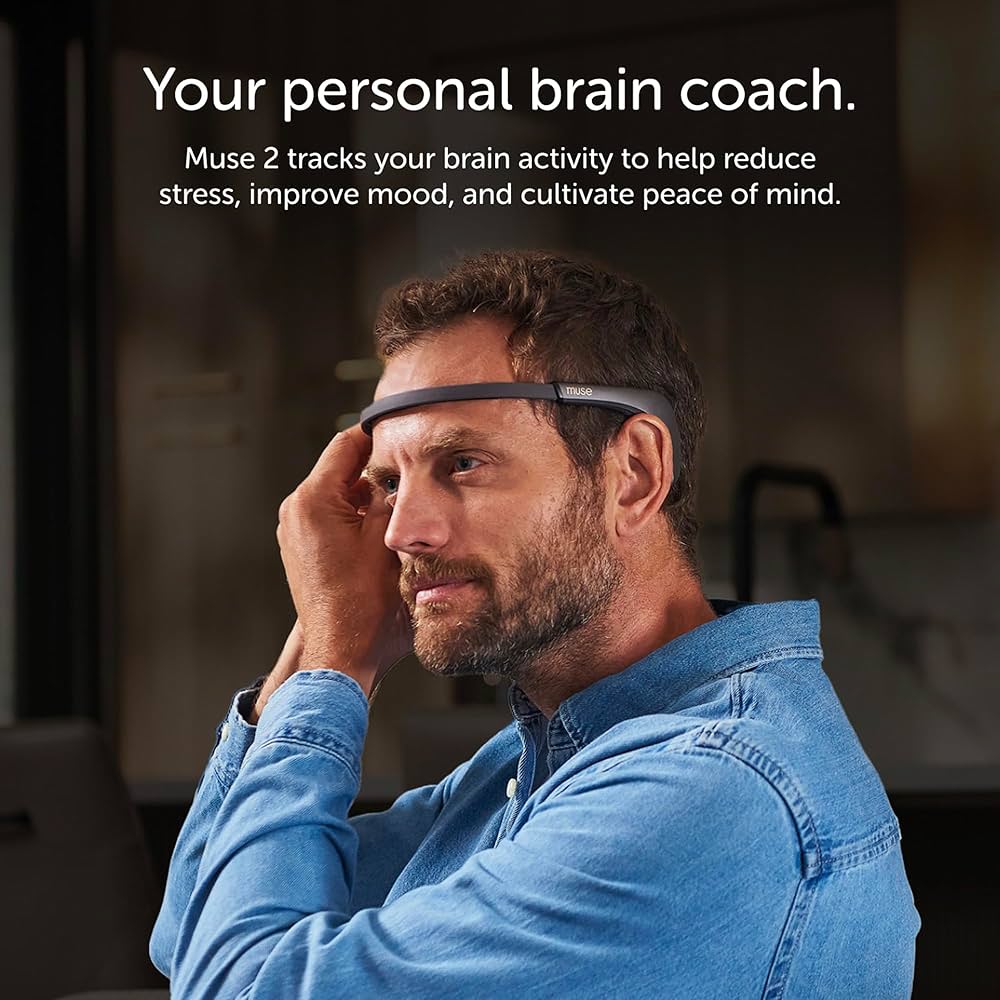
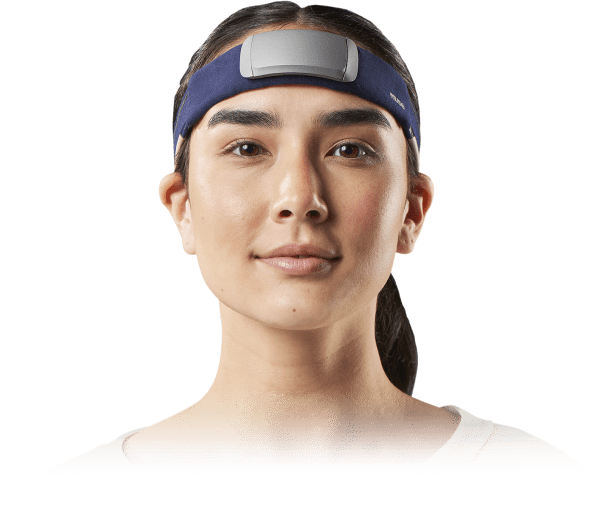
The Muse 2 is revolutionizing how we approach cognitive longevity. It is not a supplement, a puzzle game, or a gimmick; it is a multi-sensor EEG device miniaturized into a sleek, comfortable headband designed for everyday use.
How It Rewires Your Brain
Muse uses advanced sensors to detect your brain's electrical activity. It then translates your brainwaves into the guiding sounds of weather through your headphones in real-time. When your mind is busy and stressed, you hear stormy weather. As you learn to calm your mind and lower cortisol levels, the storm subsides into peaceful, chirping birds.
| Mind (EEG) | Real-time brainwave feedback teaches you the exact feeling of deep focus. |
|---|---|
| Heart (PPG) | Monitors heart rate variability to optimize cardiovascular response to stress. |
| Body (Accelerometer) | Detects micro-movements to help you achieve physical stillness. |
| Breath | Guides your breathing pace to activate the parasympathetic nervous system. |
— Robert H., 58
By actively training your brain to find calm, you physically reduce the stress-induced inflammation that damages memory centers. Just 5 to 10 minutes a day helps rewire your neural pathways for better focus, improved memory retention, and significantly deeper sleep.

The Verdict: Take Control of Your Cognitive Future
Protecting your brain health as you age requires a two-pronged approach. First, you must eliminate the dietary villains—sugars, artificial sweeteners, and excess alcohol—that cause systemic neuroinflammation. Second, you must actively train your brain to manage stress and maintain focus.
With clinical-grade tools like the Muse 2 now available to the public, achieving a resilient, sharp, and calm mind is no longer guesswork. It is a measurable, achievable science.
Scientific References & Citations
- Pase, M. P., et al. (2017). "Sugary beverage intake and preclinical Alzheimer's disease in the community." Alzheimer's & Dementia.
- Fagherazzi, G., et al. (2019). "Artificial Sweeteners and Risk of Stroke and Dementia." Stroke.
- Topiwala, A., et al. (2017). "Moderate alcohol consumption as risk factor for adverse brain outcomes and cognitive decline." The BMJ.
- Krikorian, R., et al. (2010). "Blueberry Supplementation Improves Memory in Older Adults." Journal of Agricultural and Food Chemistry.
- Basso, J. C., et al. (2019). "Brief, daily meditation enhances attention, memory, mood, and emotional regulation in non-experienced meditators." Behavioural Brain Research.